Recovery Is More Than Treatment It Is a Path Forward.
Recovery does not end when a therapy session ends. Meaningful recovery can involve developing confidence, practical skills, supportive relationships, and access to resources that help individuals navigate everyday life.
Our Recovery & Community Support services complement behavioral health treatment by helping individuals strengthen their support systems, develop healthy routines, and work toward personally meaningful goals.
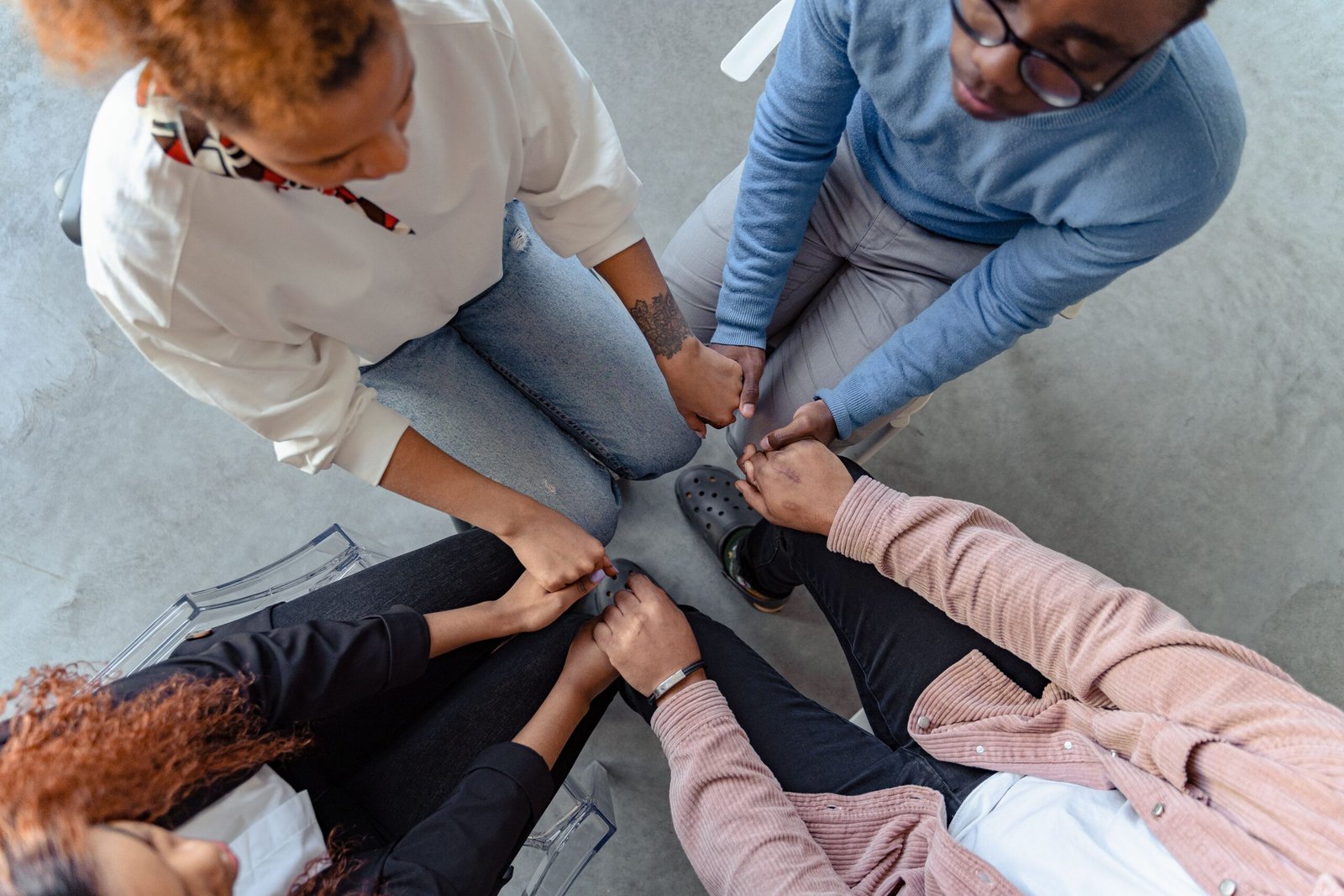
We focus on the individual not simply a diagnosis while supporting personal strengths, preferences, priorities, and goals.
Support Built Around Your Goals
There is no single recovery pathway that works for everyone. Our approach begins by understanding where you are today, what matters to you, and what you want your life to look like moving forward.

Personal Goals
Identify meaningful goals and break them into practical, manageable steps.

Strengths & Abilities
Recognize existing strengths and build upon the skills and resources already present.

Greater Independence
Encourage confidence, self-advocacy, decision-making, and participation in everyday life.
Building Stronger Connections Through Community
Mental health and substance use challenges can sometimes lead individuals to withdraw from relationships, activities, education, employment, or community life.
Rebuilding meaningful connections can become an important part of recovery. Our community support approach helps individuals identify positive relationships, explore appropriate resources, and develop confidence in community settings.
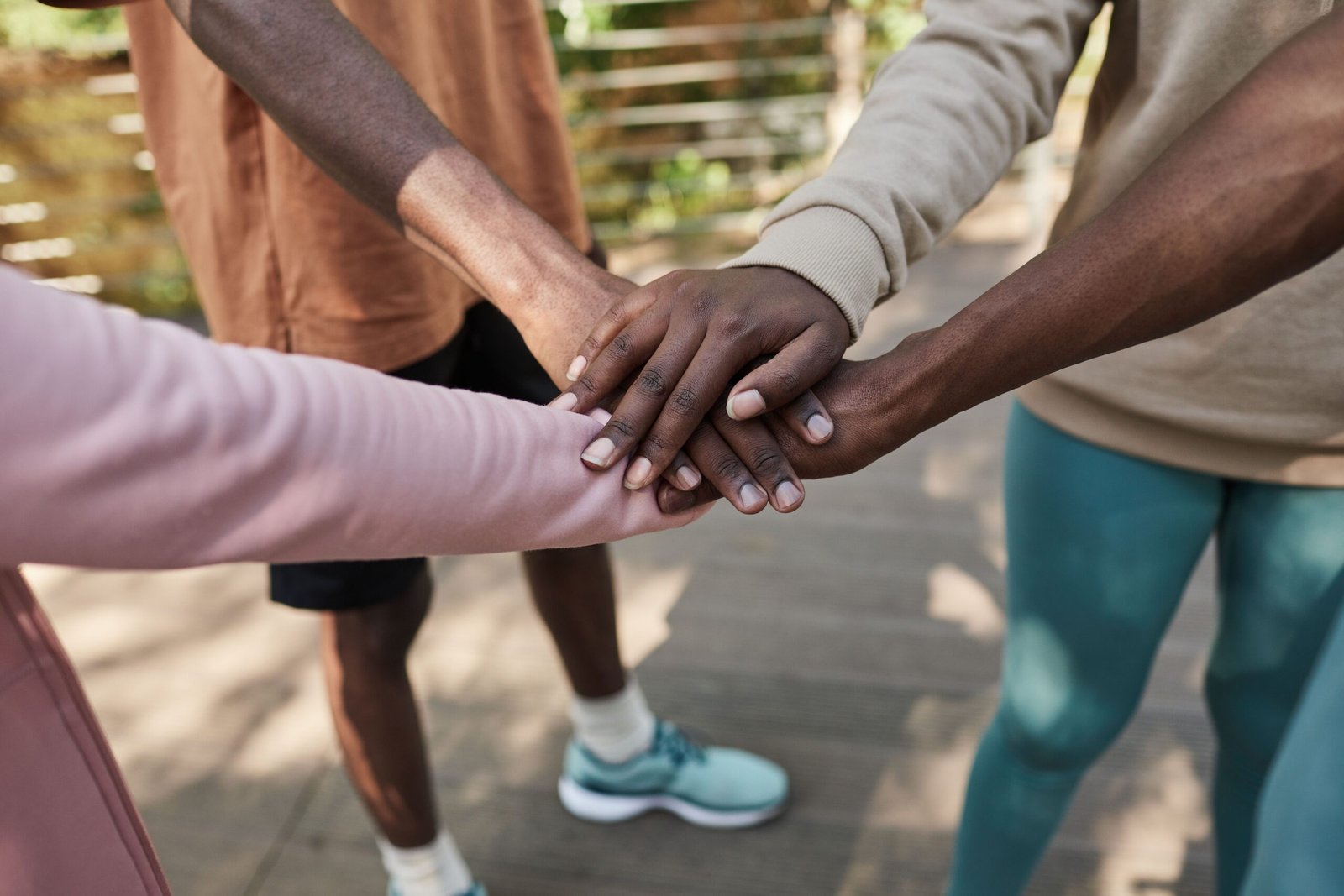
Connection Can Be an Important Part of Recovery.
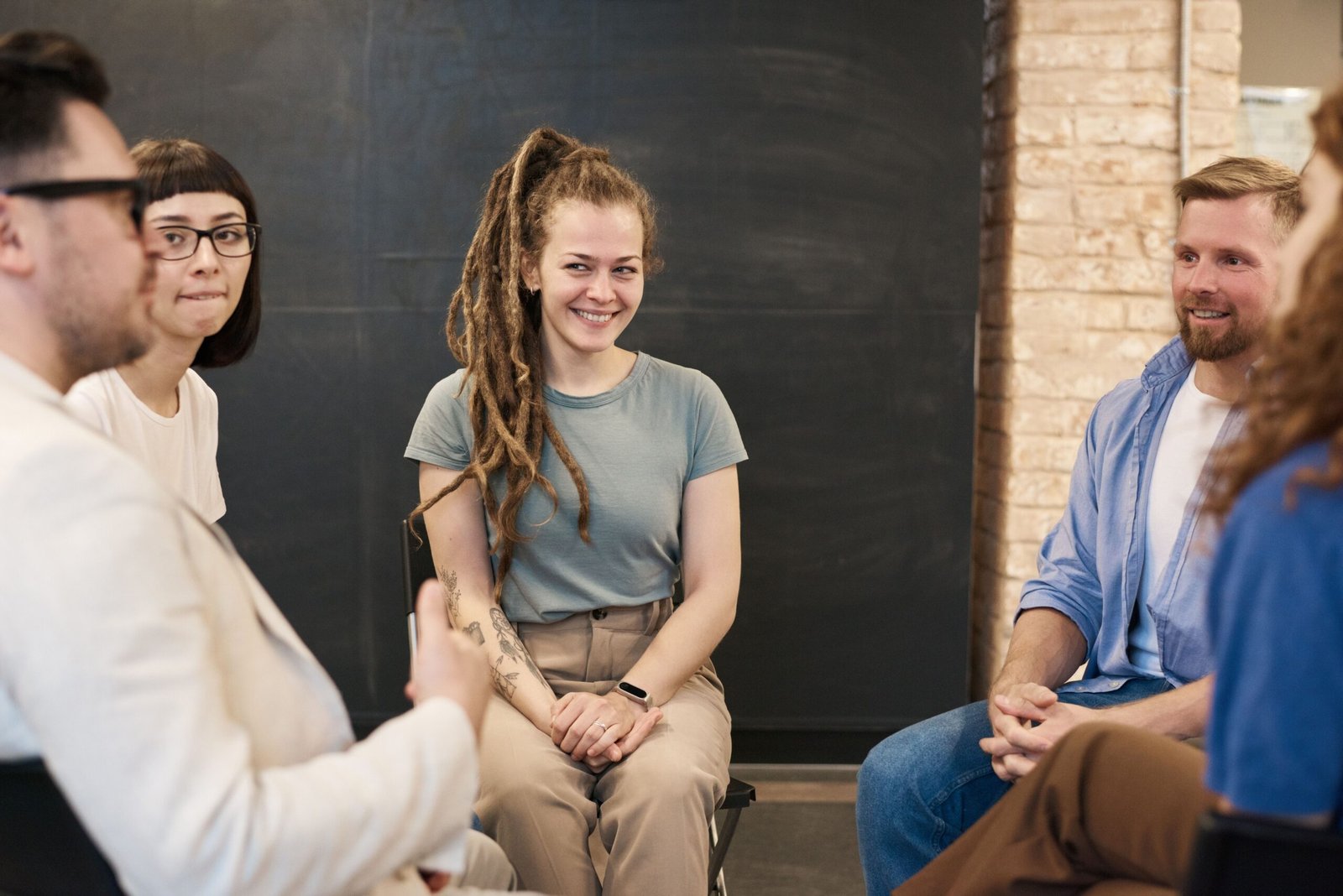
When appropriate to an individual's care plan, peer-oriented support can complement professional behavioral health services through encouragement, shared understanding, practical resources, and connection to recovery communities.
Practical Skills for Everyday Independence
Recovery is also about navigating the demands of everyday life. Depending on individual needs and the care plan, support may focus on practical skills that encourage confidence and independence.
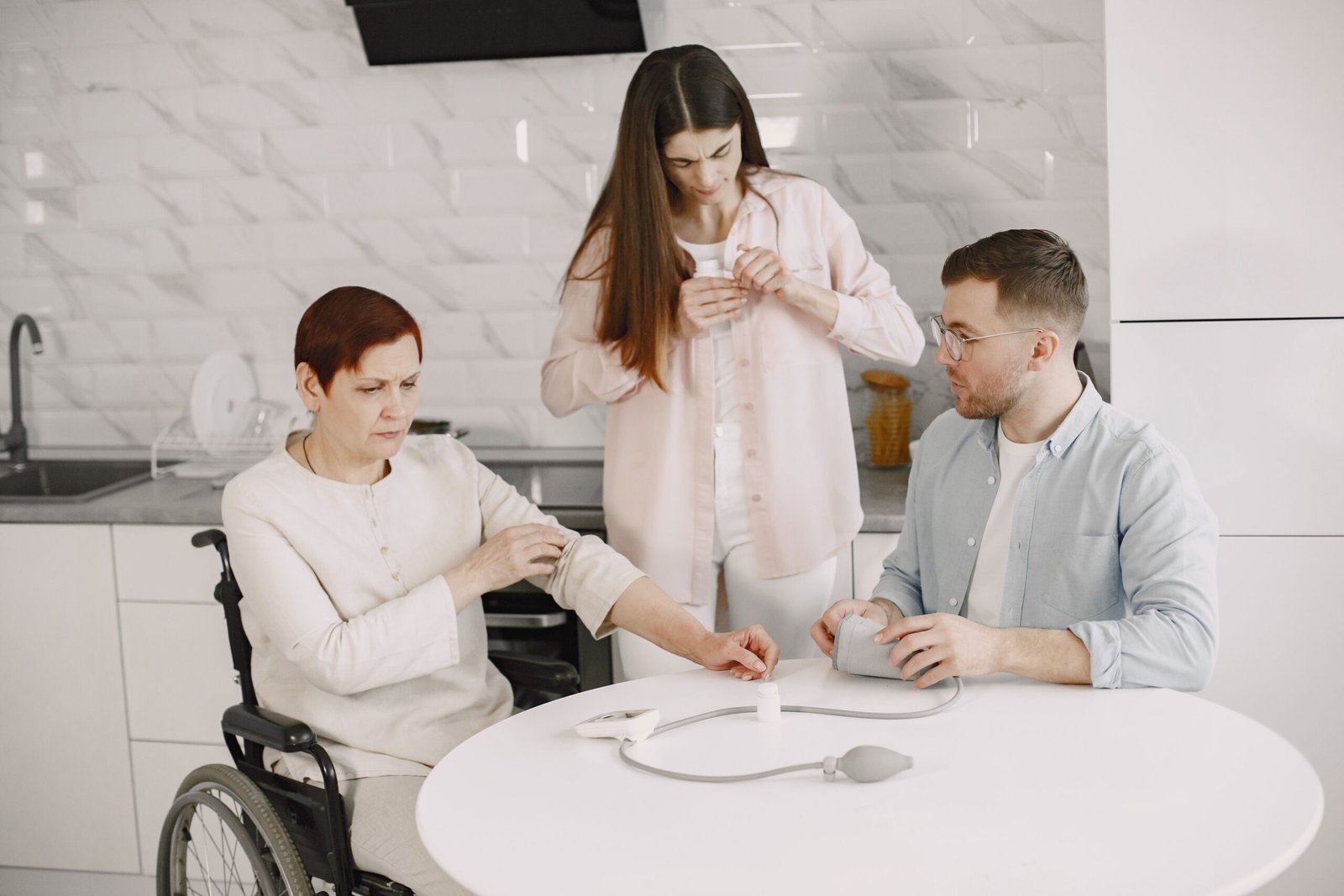
Daily Living
Develop routines, organization, time-management skills, and healthy daily habits.
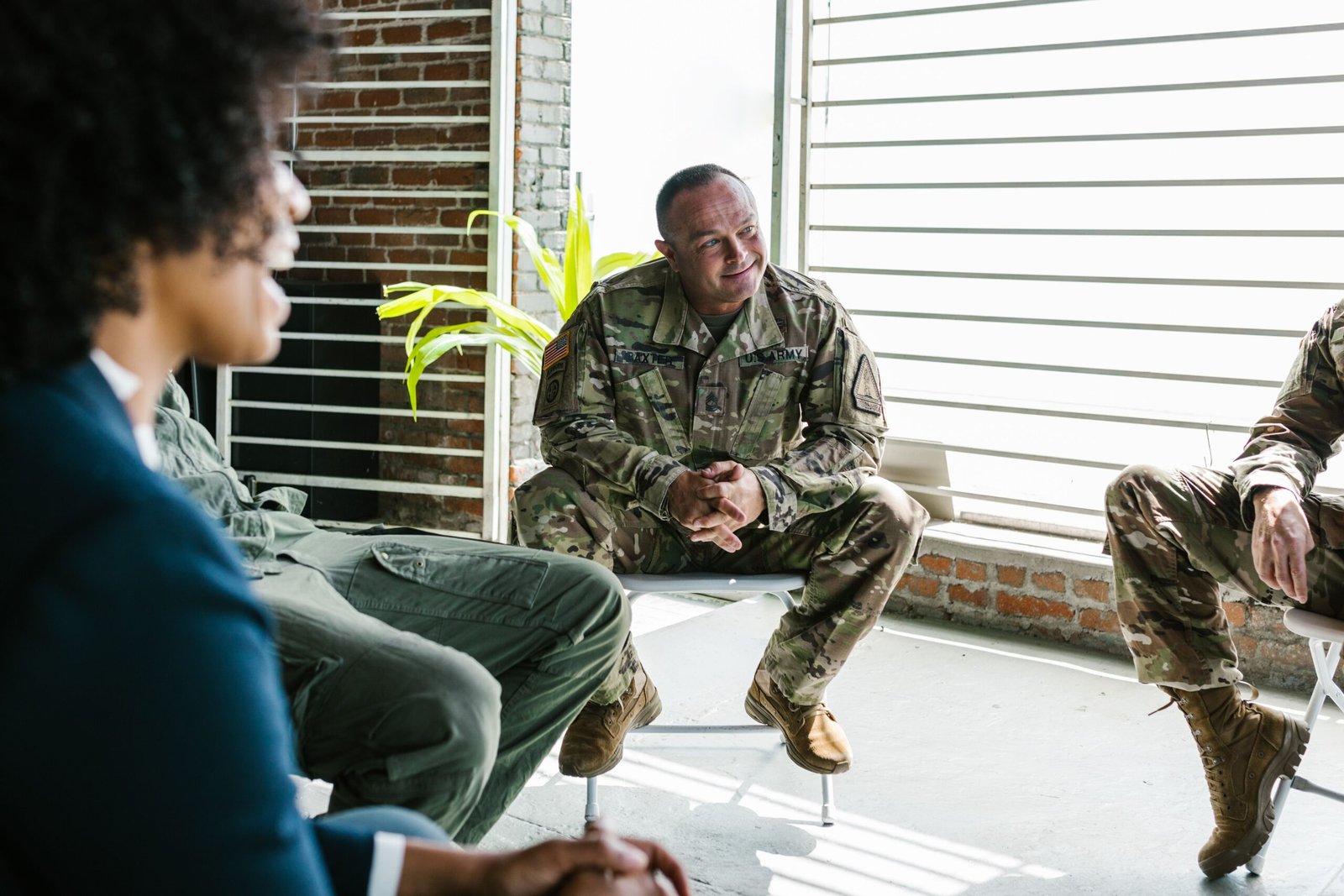
Communication
Build skills for expressing needs, setting boundaries, and communicating effectively.

Problem-Solving
Learn practical approaches for navigating challenges and making informed decisions.

Emotional Coping
Recognize triggers, understand emotional responses, and practice healthy coping strategies.

Self-Advocacy
Develop confidence in communicating preferences and participating in care decisions.
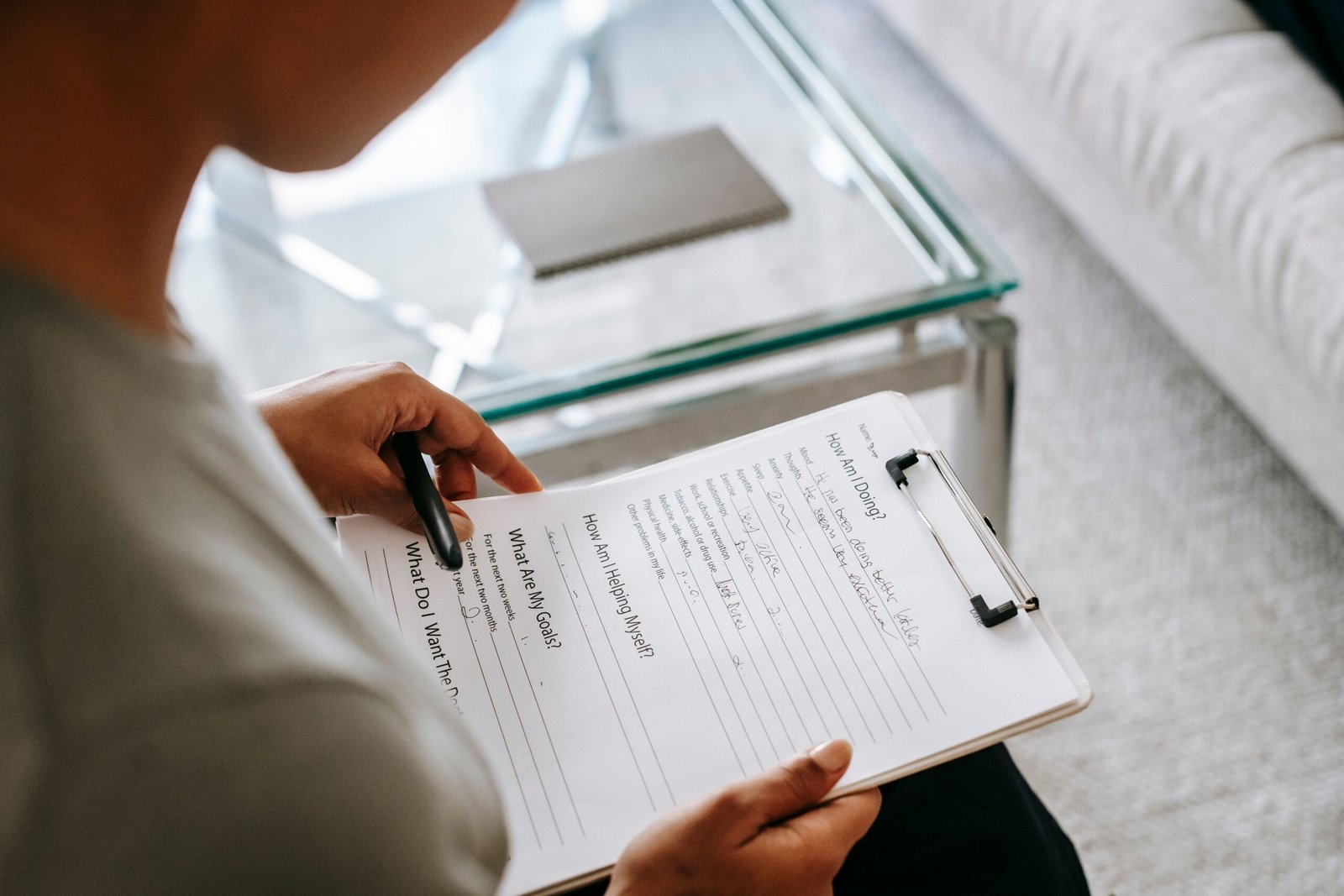
Goal Setting
Turn larger goals into realistic and manageable steps that can be revisited as circumstances change.
Supporting Mental Health & Substance Use Recovery
Recovery support can be valuable for individuals navigating mental health conditions, substance use challenges, or co-occurring concerns.
Different people require different types of support. Some may need assistance staying connected to treatment, while others may benefit from help developing healthy routines, strengthening support networks, identifying triggers, or accessing community resources.
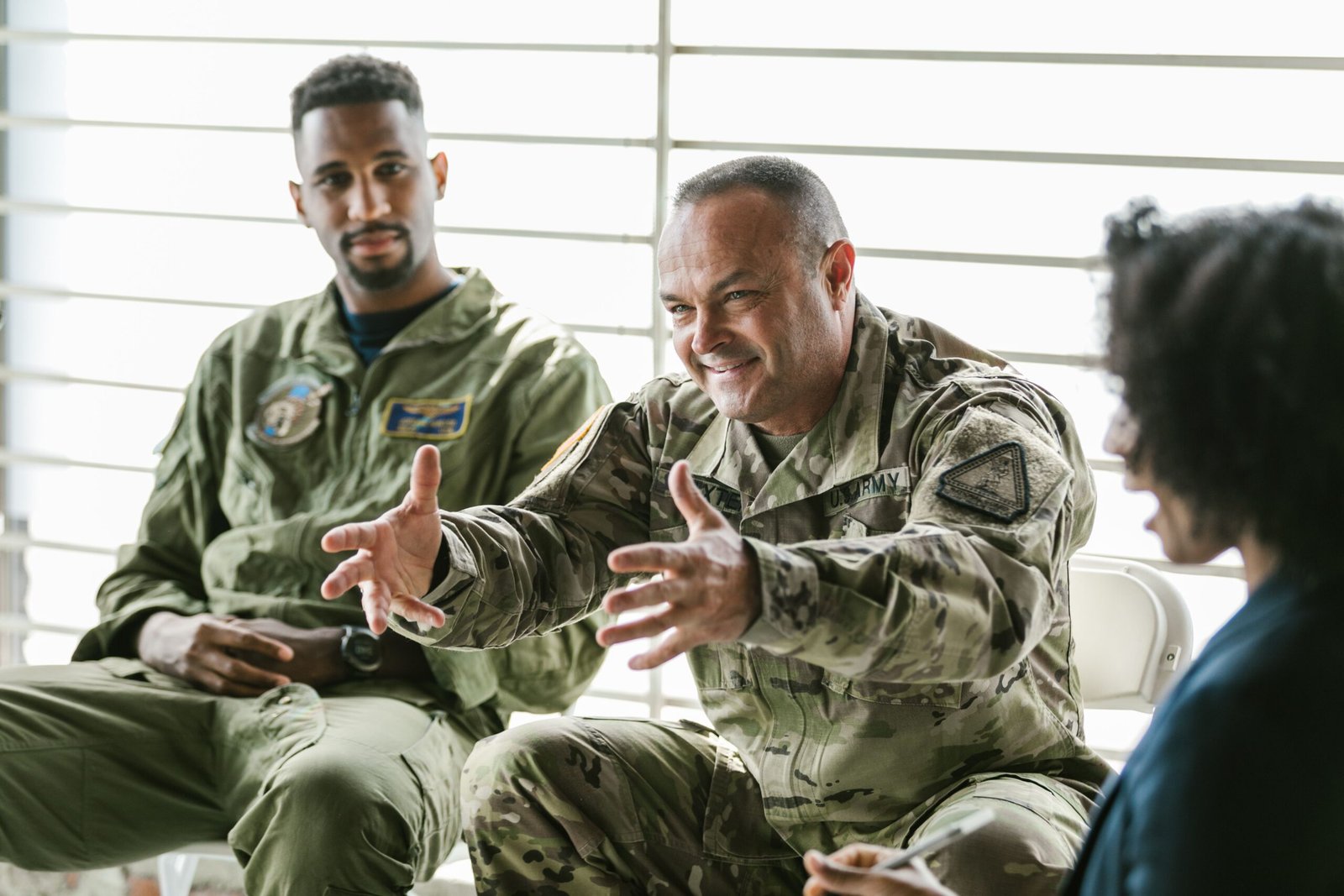
Recovery-focused services can reinforce skills, connections, and resources that extend beyond the traditional clinical environment.
Family, Friends & Support Networks Matter
Recovery rarely happens in isolation. When appropriate and with the individual's consent, trusted family members, friends, caregivers, and other supportive people can become valuable parts of a recovery support network.
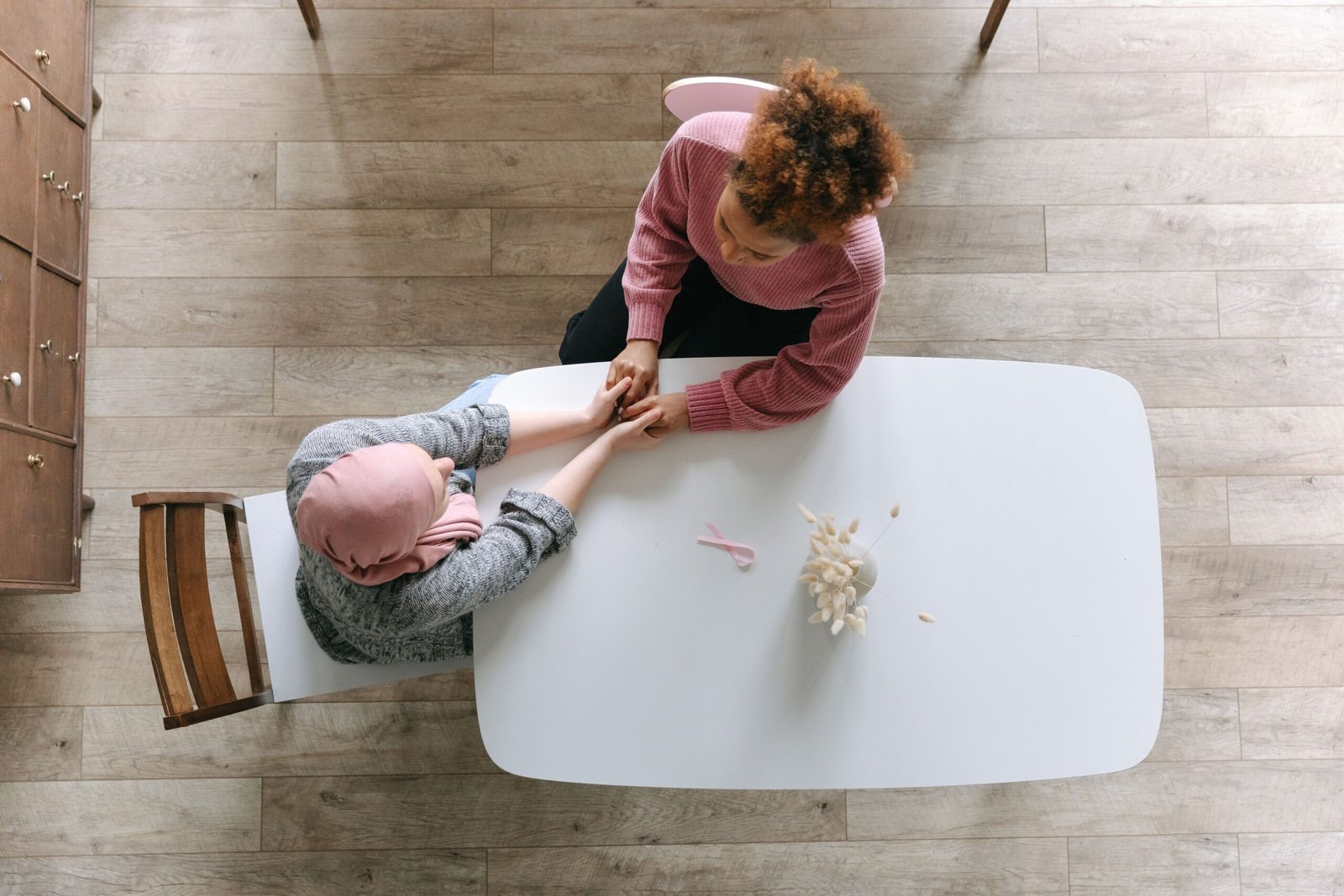
Encouragement
Identify relationships and people who can provide positive encouragement.
Healthy Communication
Encourage communication that respects individual needs, preferences, privacy, and boundaries.

Shared Understanding
Help appropriate members of a support network understand recovery goals and available resources.

Connecting You With Resources That Support Wellness
Behavioral health needs can extend beyond the treatment room. Housing, employment, education, transportation, healthcare access, and social connection can all be relevant to a person's overall stability.
When these needs are part of an individual's care plan, our recovery-oriented approach can help identify and navigate appropriate community resources.
A Recovery-Focused Approach
Our approach is designed to respect individual choice while supporting practical skills, meaningful connections, and continued engagement with appropriate behavioral health care.
Person-Centered
Your goals, preferences, strengths, and priorities help guide the support process.
Strengths-Based
We focus on abilities, resources, resilience, and progress alongside areas where additional support may be helpful.
Recovery-Oriented
Support encourages meaningful participation, personal growth, and continued movement toward individual goals.
Community-Connected
Relationships, resources, peer support, and community participation can all contribute to recovery.
Collaborative
When appropriate, support can work alongside clinicians, families, peers, and other members of the care team.
Trauma-Informed
We emphasize safety, trust, dignity, choice, collaboration, and empowerment.
Recovery Is a Journey We Help You Keep Moving Forward
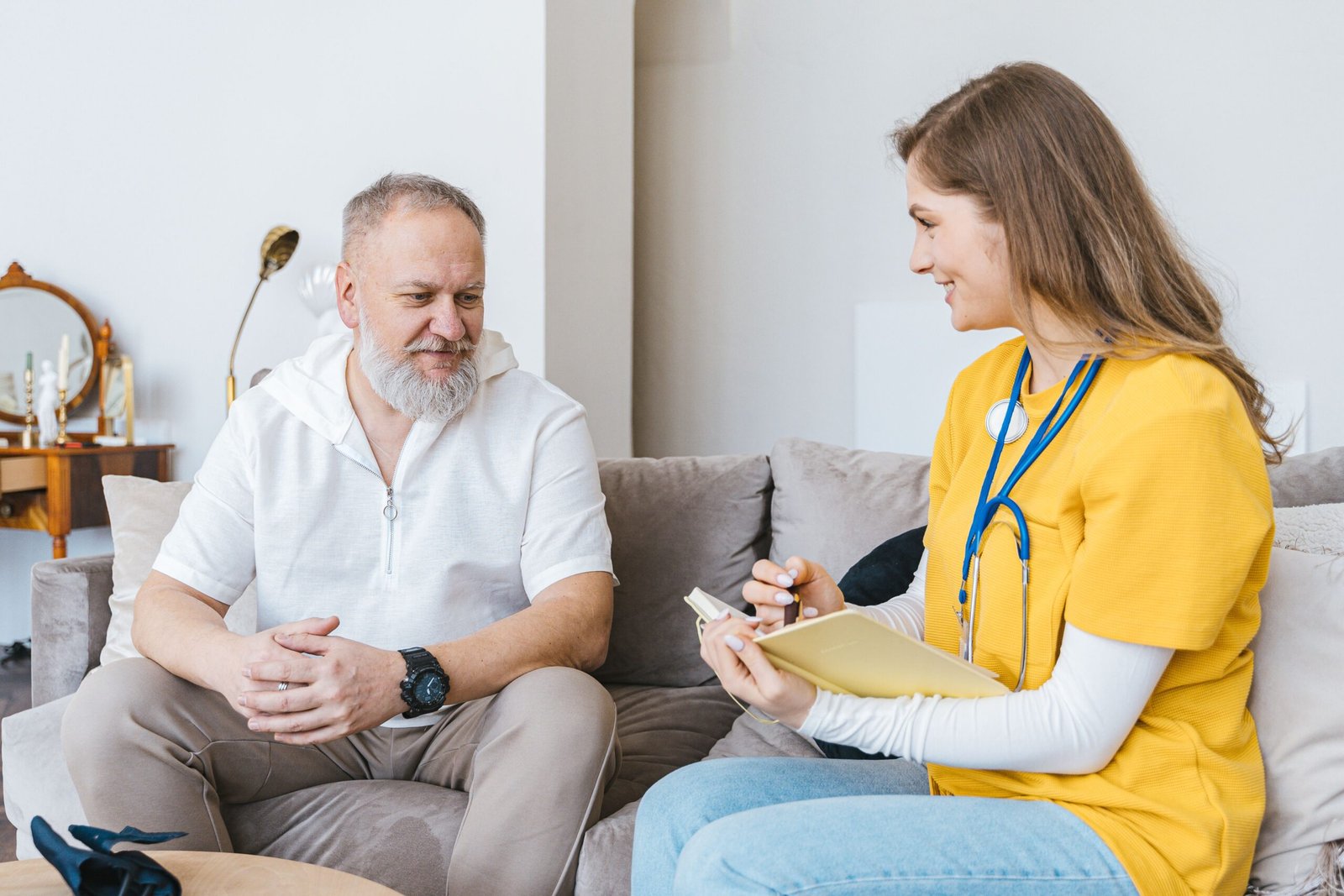
Progress is not always linear. There may be periods of growth, difficult transitions, setbacks, or changes in circumstances. A recovery-oriented approach recognizes these experiences while continuing to focus on resilience, support, and meaningful personal goals.
Take the Next Step Toward Recovery
You do not have to navigate behavioral health challenges alone. Connect with Direct Behavioral Health Care Service to learn more about Recovery & Community Support and explore what type of support may be appropriate for you.
Connect With Us