Different People. Different Needs.
Behavioral health is not a one-size-fits-all experience. Age, life experiences, family circumstances, culture, environment, trauma history, and co-occurring concerns can all influence how someone experiences mental health challenges.
Our specialized programs are designed to provide individualized and compassionate support for people whose needs may benefit from a more focused approach.
Talk With Our Team
Your Needs Are Unique. Your Care Should Be, Too.
We look beyond a diagnosis to understand the individual behind it creating care plans that respect personal goals, strengths, circumstances, and preferences.
Specialized Programs for Different Needs
Our population-specific approach allows behavioral health support to be adapted according to each individual's circumstances, goals, and clinical needs.
Children, Adolescents & Young Adults
Support focused on emotional development, behavioral concerns, social challenges, family relationships, and emerging behavioral health needs.
Adult Behavioral Health
Individualized support addressing anxiety, depression, trauma, mood concerns, substance-use challenges, life transitions, and other behavioral health needs.
Older Adult Support
Care that considers changing life circumstances, grief and loss, social isolation, and emotional challenges associated with later life.
Trauma-Informed Support
Care emphasizing safety, trust, collaboration, empowerment, voice, and choice for individuals affected by difficult or traumatic experiences.
Co-Occurring Behavioral Health Needs
Coordinated attention to mental health and substance-use concerns when they occur together.
Individualized Behavioral Health Care
Treatment recommendations developed around each person's symptoms, strengths, preferences, goals, and circumstances.

Creating a Safe Space for Healing
Our trauma-informed philosophy recognizes that past experiences can influence how people experience emotions, relationships, behaviors, and healthcare.
Trauma-Informed Care With Compassion
Rather than making assumptions, we emphasize safety, trust, collaboration, empowerment, voice, and choice.
Our clinicians strive to create an environment where individuals can participate in their care while developing practical strategies for emotional wellness and recovery.
- Feel heard and respected
- Participate in treatment decisions
- Build trust with their care team
- Identify strengths and coping strategies
- Develop practical emotional regulation skills
- Work toward recovery without unnecessary judgment
Culturally Responsive & Inclusive Care
Your background is part of your story. We strive to provide behavioral healthcare that respects individual experiences, communication needs, preferences, and perspectives.

Integrated Support for Mental Health & Substance Use
Mental health and substance-use concerns can sometimes occur together and influence one another. Our specialized approach can address these concerns together when clinically appropriate.

Assessment First. Personalized Care Next.
Personalized behavioral healthcare begins with understanding the person, their needs, their circumstances, and their goals.
Understand
Learn about symptoms, history, circumstances, strengths, and goals.
Assess
Identify behavioral health needs and relevant clinical considerations.
Personalize
Develop recommendations aligned with individual needs and treatment goals.
Support
Monitor progress and adjust support as needs and circumstances change.
Family, Community & Social Support
Behavioral health exists within real life. When appropriate, coordinated support can help connect treatment with the relationships, resources, and environments that influence everyday wellness.
Family & Caregivers
When appropriate and with the individual's permission, family members and caregivers may be part of a coordinated support approach.
Healthcare Providers
Coordination with other healthcare professionals can support continuity when multiple providers are involved.
Community Resources
Connecting individuals with appropriate community and social resources can complement behavioral health care.

Support for a Wide Range of Behavioral Health Needs
Specialized behavioral health services may be appropriate for individuals who need care tailored to particular circumstances, populations, or clinical needs.
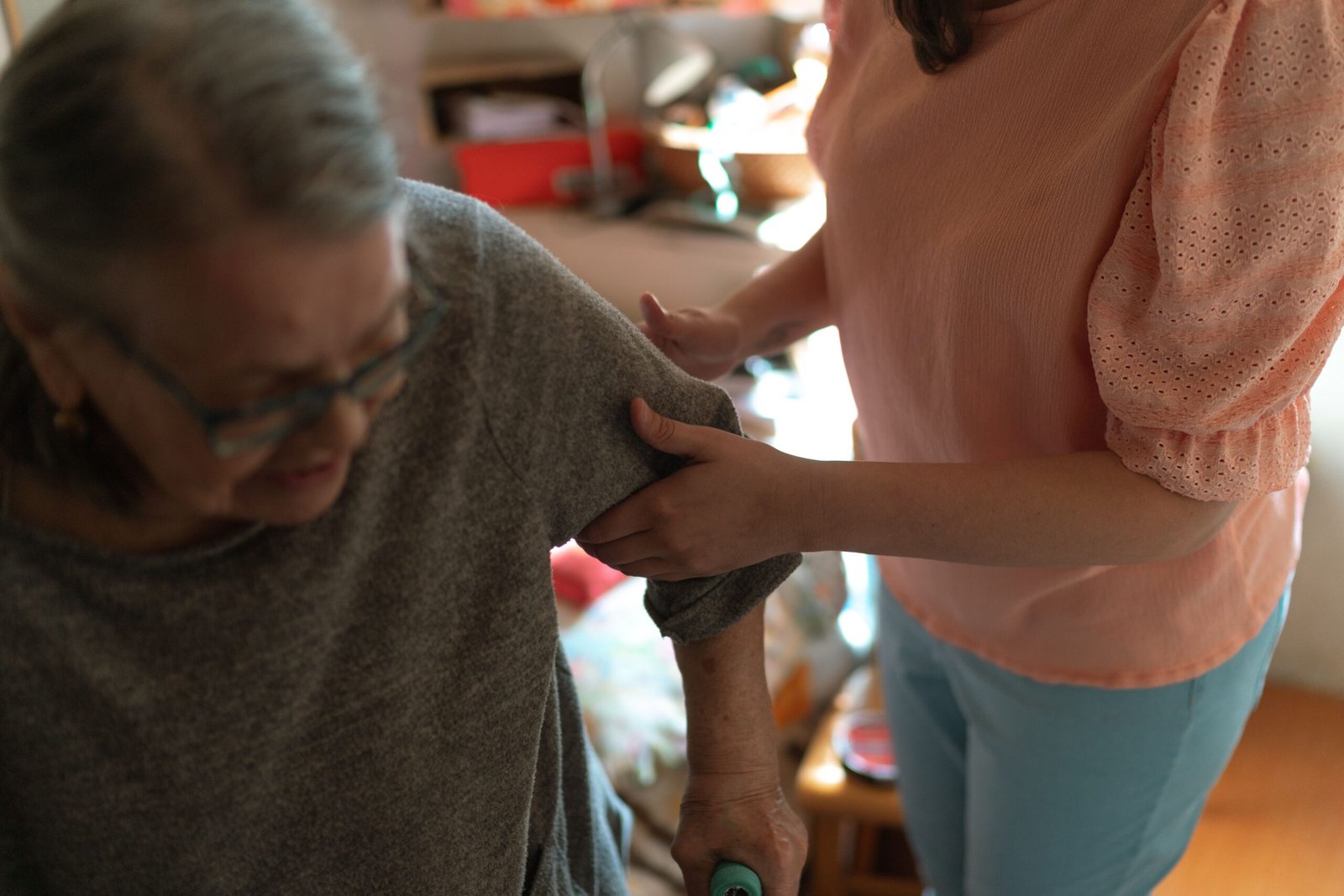

The Right Support Can Begin With One Conversation
You do not have to figure everything out before reaching out. Let our team help you explore your options and determine the next appropriate step in your behavioral health journey.